- 17
- 10
- 2025
- Category:
- Exploration & Discovery
Fascinating Story: Mark Twain and Maine’s Holy Land Pilgrims
By David Evans Shaw
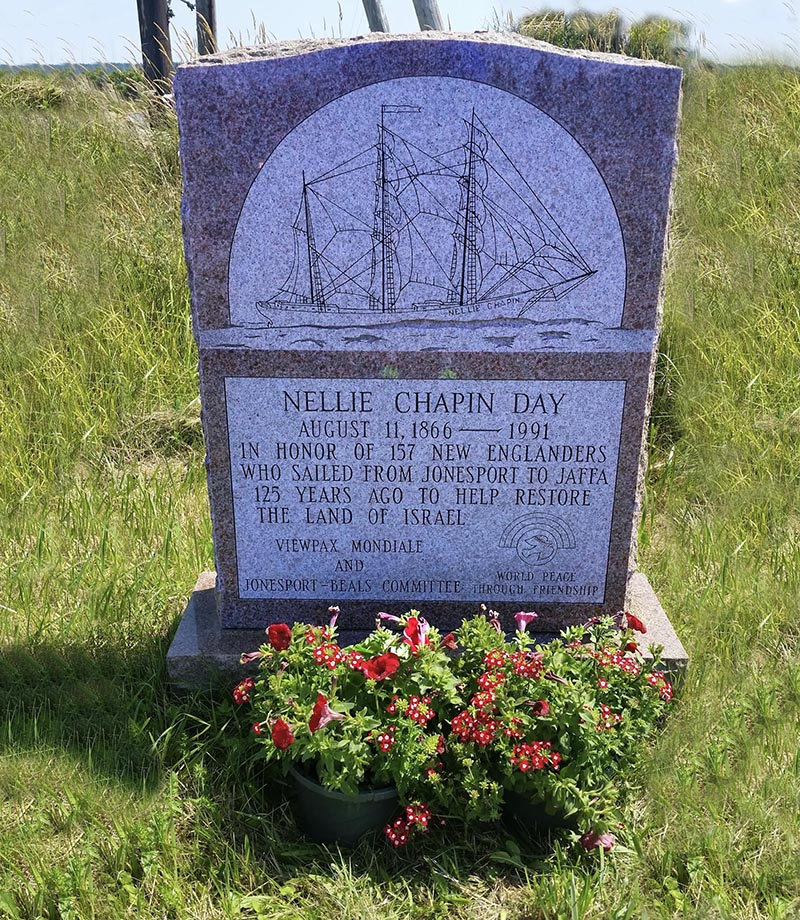
In October of 1867, the American excursion steamer Quaker City, with young Samuel Langhorn Clemens (aka Mark Twain) aboard, rescued forty-four destitute Maine pilgrims from their ill-fated “Holy Land” colony at Jaffa, Syria, near what is now Tel Aviv. These were the surviving members of a remarkable group of 157 Americans who had sailed a year earlier from the remote coastal village of Jonesport, Maine. Driven by faith, and a charismatic preacher named George J. Adams, they crossed the Atlantic to establish a utopian settlement in holy lands depicted in the Bible.
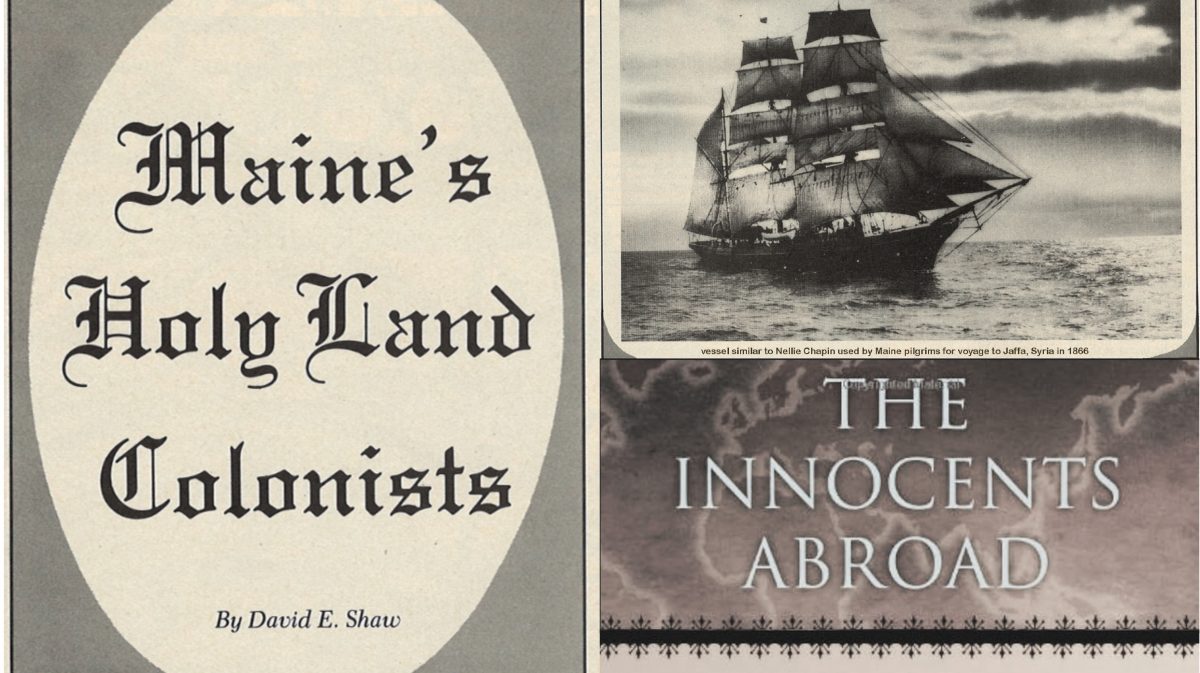
Twain, ever the perceptive observer, recorded the episode the next day in a letter to the New York Tribune, and later brought it vividly to life in The Innocents Abroad—his best-selling 1869 travel chronicle that would help define his early fame. His words, both humorous and humane, captured the poignant intersection of American idealism and Old-World reality.
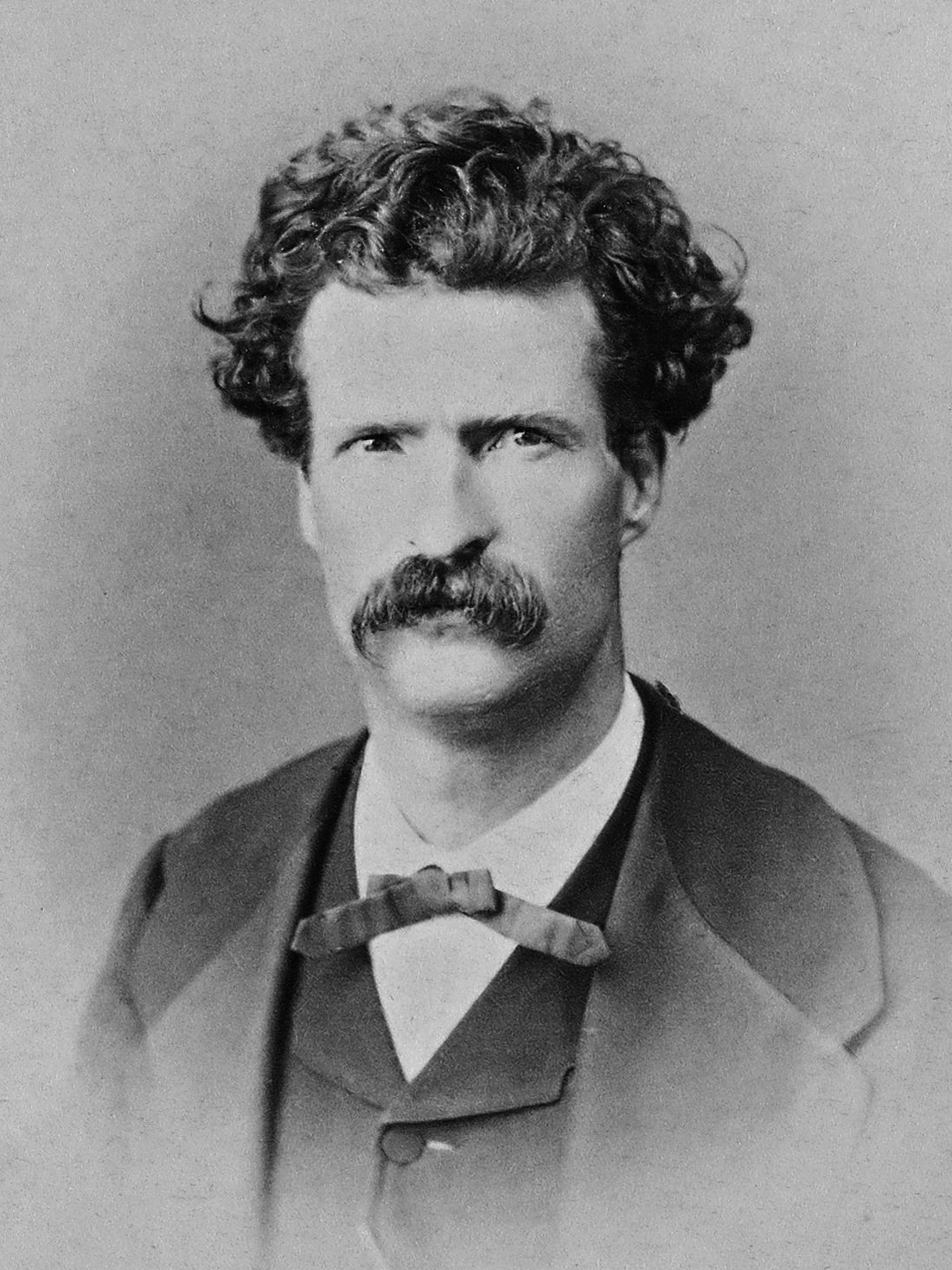
September 1-2, 1867, Pera, Constantinople
I first encountered this obscure and extraordinary story as a teenager, reading The Innocents Abroad with the fascination of discovery. That encounter led me to seek further information, and I found that the story grew more interesting as I assembled disparate pieces of the story from a variety of sources, more than 100 years after its occurrence. As just one example, I found that George Adams had been a leader in the Mormon Church at the time of the 1844 assassination of Mormon leader Joseph Smith. When Brigham Young was chosen to succeed Smith as Mormon leader, Adams left the church and journeyed to Jonesport in search of followers.
My research culminated in writing an article titled Maine’s Holy Land Colonists published by Down East Magazine in 1977. That early work was the beginning of unexpected longer-term engagement with this story of faith, ambition, and the human spirit.
I invite you to view this short video, which reflects on my journey with this narrative across several decades.
Layers of Meaning Across Time and Place
The tale has proven enduring—resonating in America, Israel, and beyond—because it intertwines so many compelling themes: the fervor of belief, the complexities of cultural encounter, the geopolitical tensions of the Middle East, and the timeless human drive to explore, to settle, to begin anew. It also offers one of the earliest examples of Mark Twain’s groundbreaking social commentary on the people and places he encountered, blending satire with empathy. What began for me as a literary curiosity evolved into something far more noteworthy.
An Unexpected Connection to Peace and Partnership
In 1993, more than a century after the Quaker City voyage, I was appointed by President Bill Clinton to the Executive Committee of the U.S.–Israel Science and Technology Committee. Our mission was to foster cooperation in the pursuit of prosperity and peace—an effort inspired by the historic handshake between Yasser Arafat and Yitzhak Rabin on the White House lawn.


Amid the gravity and hope of that time, I was introduced to the Maine Friendship House in Jaffa, established on the site of the 1866 American colony. Founded by Reed and Jean Holmes, this remarkable project honors those early Mainers whose courage and conviction helped “plant the seeds of modern Israel.” Their book, The ForeRunners (1981), deepened the historical record and added a vital dimension to this narrative of faith and aspiration. While many of the colonists went back to quiet lives in America, some remained behind. One of these, Rolla Floyd became a successful tour operator and served as a guide to President Ulysses Grant when he traveled to the Holy Lands 10 years after Twain.
A film about the Adam/Jaffa colony via the Maine Friendship House can be viewed here. In 2016, Down East Magazine published a follow up article, titled Strange Pilgrimage, about this story.
Reflections
From the coast of Maine to the shores of the Mediterranean, from the writings of Mark Twain to the modern quest for peace, this story bridges centuries and continents. It reminds us that human aspirations—whether spiritual, social, or scientific—are rarely linear. They unfold in layers, through trial and redemption, failure and renewal.
What began as a teenage curiosity has become, for me, a meditation on connection—between people, ideas, and epochs. It is a story that continues to speak to the enduring interplay between imagination and reality, vision and consequence, and the ever-relevant pursuit of understanding across cultures and time.