From Science and Simulation to Stewardship: My Ocean Keynote to ICES
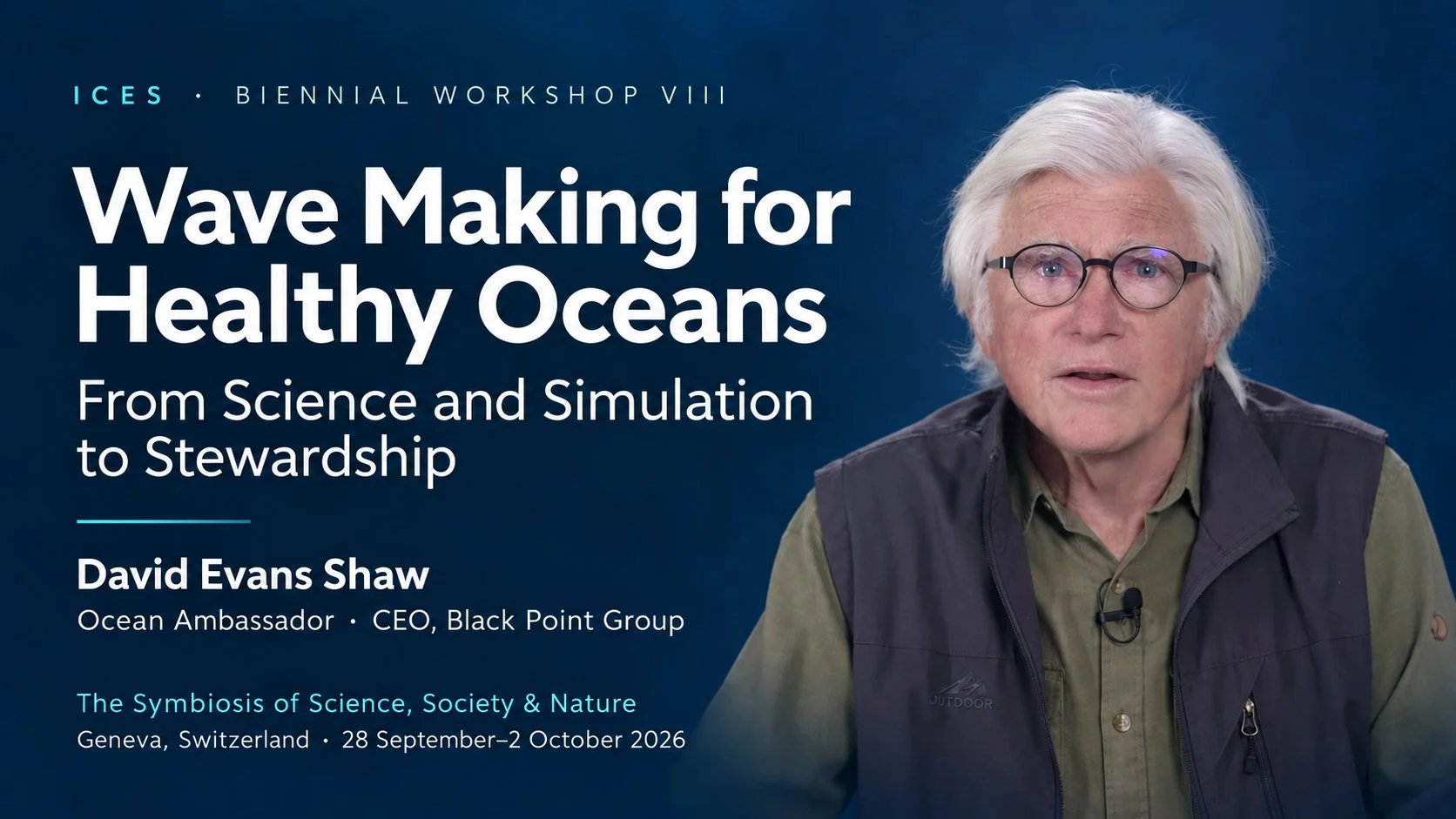
By David Shaw | Geneva, Switzerland | September 29, 2026
I had the good fortune to meet Bob Bishop earlier this year and learn about the International Centre for Earth Simulation (ICES), which he founded in 2010. Its mission is both ambitious and timely: to bring together knowledge across scientific and socioeconomic disciplines, using advanced modeling, simulation, visualization, and artificial intelligence to better understand our planet’s future.
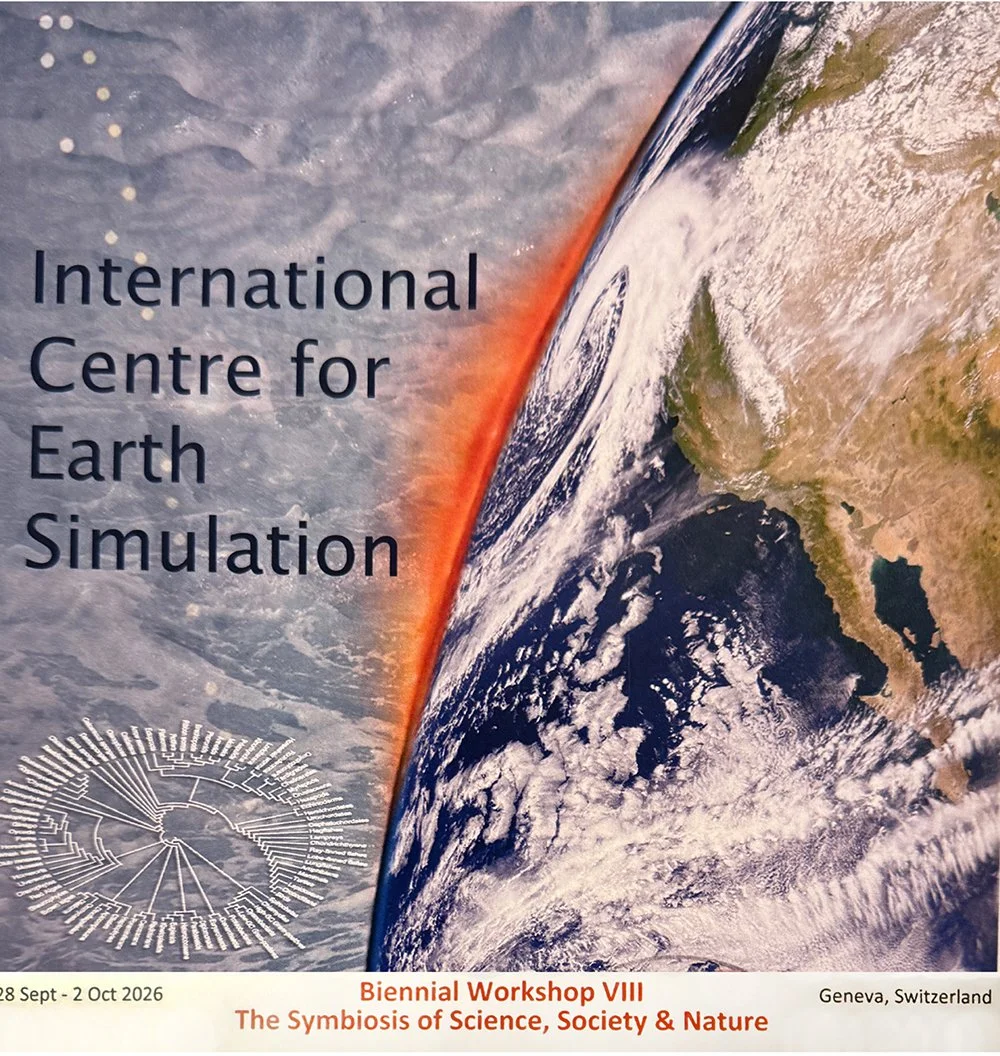
ICES serves the common good by strengthening the scientific foundations of decision-making. Its work addresses interconnected challenges, including climate change, extreme weather, ocean acidification, resource depletion, food and water security, energy security, and public health.
At Bob’s invitation, I joined the biennial ICES gathering in Geneva this week to deliver a keynote address opening a series of ocean sessions. These explored topics ranging from marine health and ocean dynamics to Earth’s energy imbalance.
My presentation, “From Science and Simulation to Stewardship—Wave Making for Healthy Oceans,” offered an overview of the challenges and opportunities facing the world’s oceans. My central message was that scientific understanding must inspire and inform action. Better tools for understanding complex planetary systems can help us make better decisions—and become more effective stewards of the natural world.
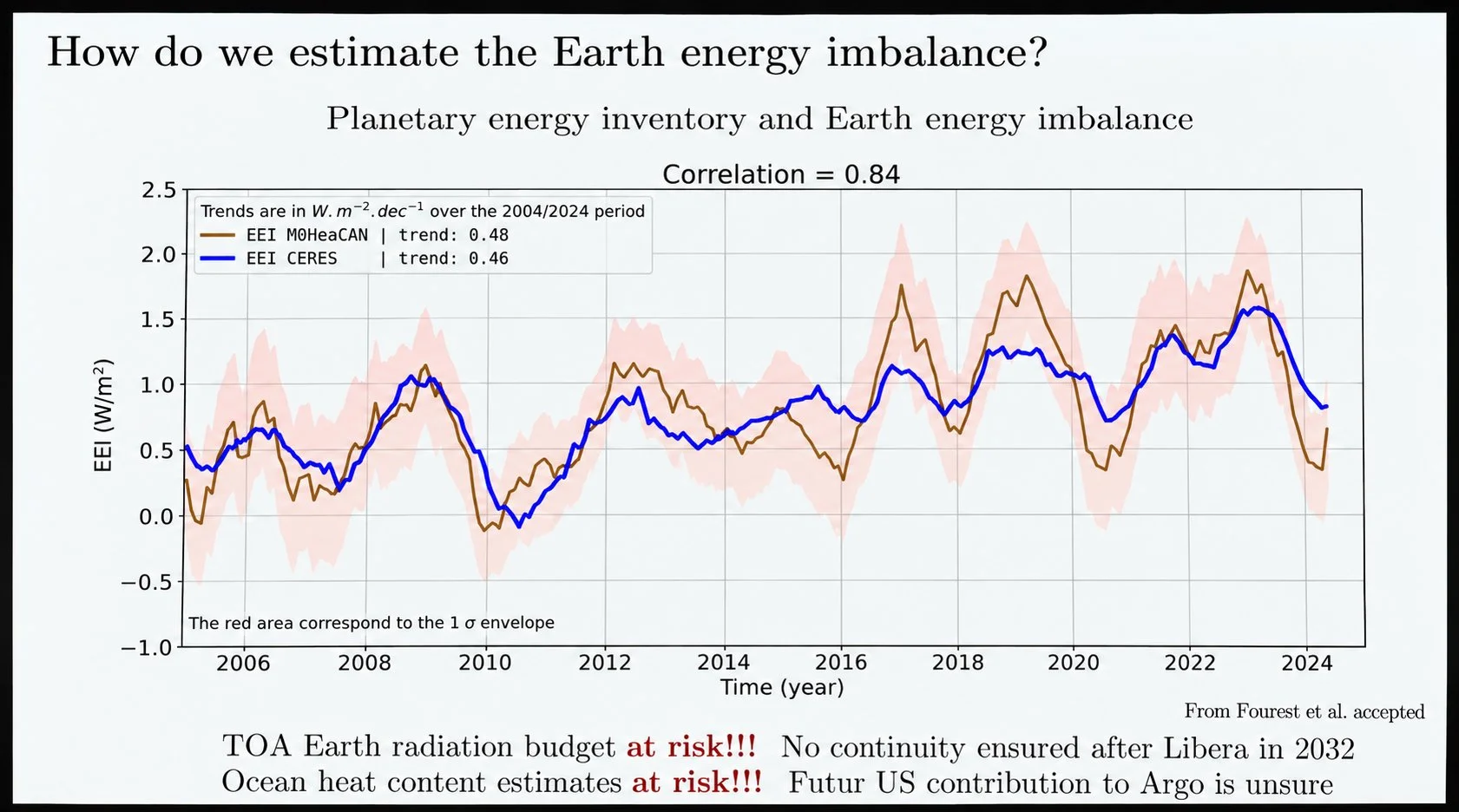
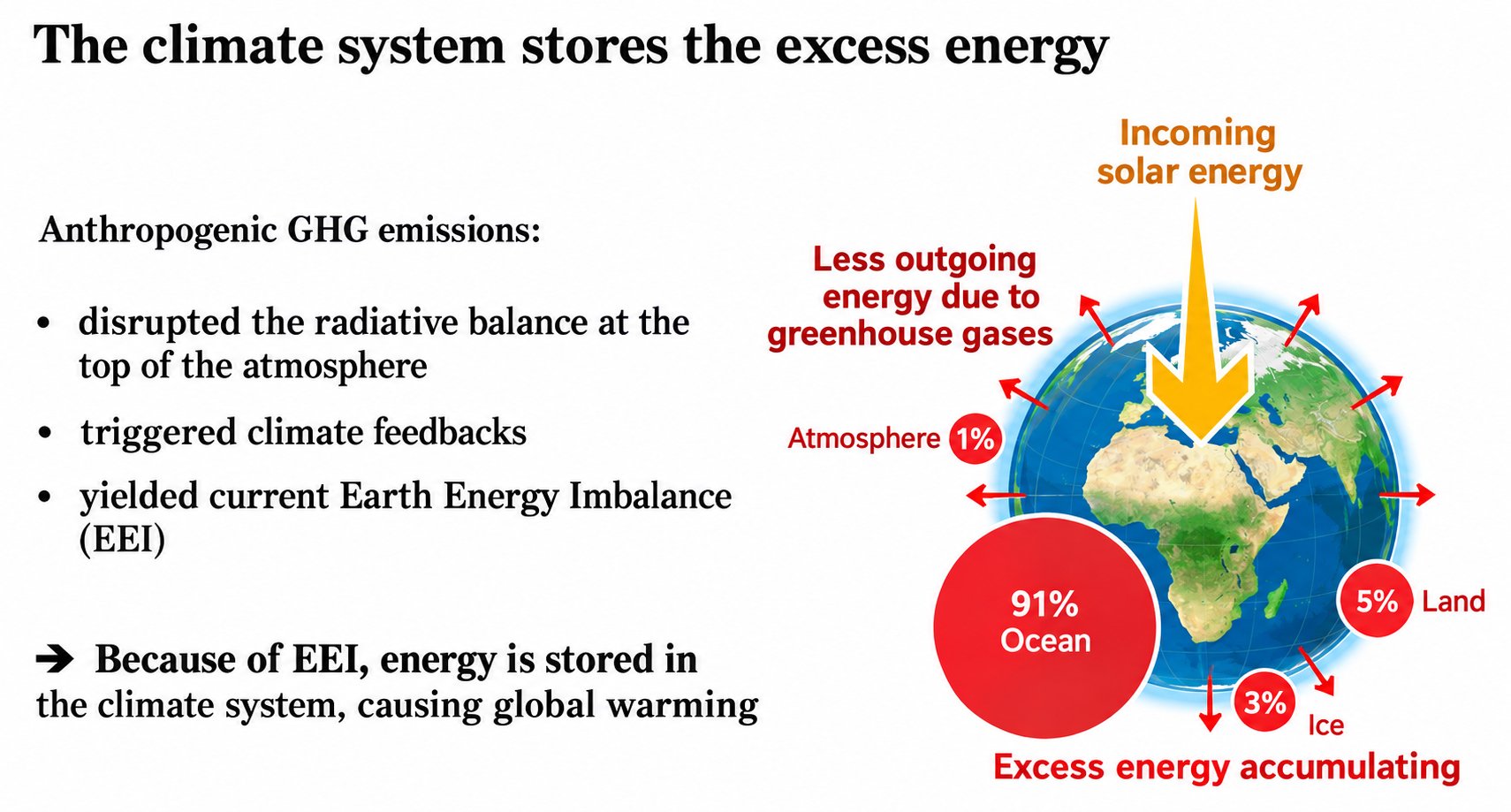
The climate system’s energy storage function is a matter of critical importance and increasingly sophisticated modeling
Watch the film at the core of my ICES presentation.
In preparation for this gathering and the preceding Climate Week, I also composed “Citizens of the Sea,” a ballad celebrating the rising tide of global ocean stewardship and the countless people working to protect our oceans. I screened the accompanying music video at ICES, bringing a musical expression of hope and shared responsibility to the scientific discussions.
I applaud Bob and the ICES community for their commitment to understanding our planet’s interconnected systems and helping translate that knowledge into better decisions. At this critical moment for ocean and planetary health, science, simulation, and stewardship have much to contribute to one another.
The opportunity before us is to turn deeper understanding into meaningful action—and to make waves for healthier oceans.